Best Water Softener Solutions for Septic Systems
Choosing a water softener for a home with a septic system requires careful consideration of how different systems interact with septic tanks and drain fields. This guide highlights five options that balance hardness reduction with septic-safety, including salt-free descalers and compact softeners designed for residential use. Each choice offers distinct advantages, from preventing scale to providing high capacity for larger homes. The selections prioritize septic-friendly features without compromising water quality across the house.
| Product | Brand | Type | Septic Relevance | Key Benefit |
|---|---|---|---|---|
| A.O. Smith Salt Free Descaler System | AO Smith | Salt-Free Descaler | High | Prevents scale without softening |
| iSpring WCS45KG Whole House Softener | iSpring | Salt-Based Softener | Moderate | High capacity, compact design |
| Kenmore 350 Water Softener | Kenmore | Salt-Based Softener | Moderate | IntelliSoft technology, reliable capacity |
| Aquasana SimplySoft 40,000 Grain | Aquasana | Salt-Based Softener | Moderate | 40k grain capacity, NSF/IAPMO certified |
| Aquasure Harmony 50,000 Grains | Aquasure | Salt-Based Softener | Moderate | 50k grains, triple pre-filter |
AO Smith Salt Free Descaler System

The AO Smith Descaler uses a salt-free approach to reduce mineral buildup in pipes and plumbing. It does not soften water but aims to prevent scale formation, helping appliances and fixtures perform reliably over time. The system is chemical-free and designed for households of four or more people, aligning with septic-safe practices by avoiding salt-based regeneration. For septic considerations, this option minimizes salt discharge to the wastewater system, reducing potential impacts on soil and drain fields while still improving the clarity of water throughout the home.
Because the system avoids salts and backwashing, maintenance requirements are typically low, contributing to a straightforward installation and ongoing use. The Descaler is best suited for moderate hard water and environments where minimizing salt use is a priority for septic health. While it does not reduce total dissolved solids, it provides a practical method for reducing scale-related issues in appliances, showers, and pipes, supporting long-term system integrity without increasing salt loads.
iSpring WCS45KG Whole House Softener
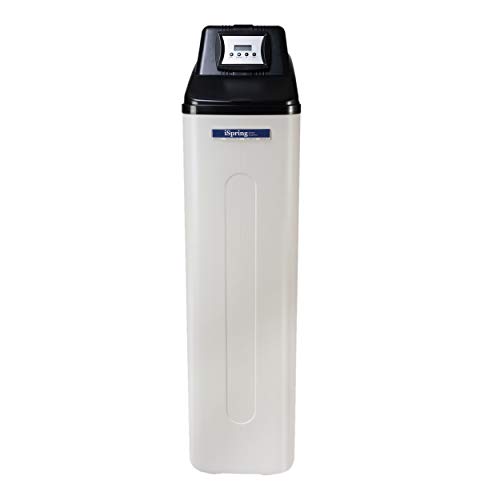
The iSpring WCS45KG is a high-capacity, whole-house water softener rated at 45,000 grains. Its backwash feature helps maintain resin cleanliness, supporting consistent soft water flow across all taps and fixtures. The one-tank compact design saves space and makes installation feasible in homes with limited utility space. Notably, this model emphasizes hardness reduction while still offering a straightforward design that fits standard plumbing, which is advantageous for homes with septic systems where reliable flow matters for daily use and laundry.
Users can adjust the hardness setting to tailor the softening level to their water source and household needs. The design supports a broad range of applications—from cooking and bathing to laundry—while keeping a compact footprint. As a salt-based unit, it requires periodic salt replenishment and resin maintenance, which should be planned for within routine household upkeep. For septic considerations, ensure appropriate backwash disposal and avoid excessive regeneration frequency to minimize wastewater load.
Kenmore 350 Water Softener

Kenmore 350 offers a 32,000-grain capacity with IntelliSoft Technology that automatically adjusts salt and regeneration based on water use. It’s designed to deliver effective hardness removal (up to 90 GPG) and may also address clear water iron up to 8 PPM, helping to reduce mineral-related staining and scale across the home. The system’s compact, space-saving design makes it a practical choice for tight utility spaces and smaller homes, which can be common in septic-equipped residences where site constraints matter.
The IntelliSoft feature helps optimize salt consumption and waste, contributing to a more efficient operation. For septic considerations, this model provides reliable soft water for daily needs while keeping regeneration cycles efficient. Proper installation and routine maintenance—such as monitoring salt levels and resin health—are essential for maintaining performance and ensuring compatibility with your home’s wastewater system over time.
Aquasana SimplySoft 40,000 Grain

Aquasana SimplySoft 40,000 Grain is a whole-house system designed to reduce minerals that cause hard water and soften water across the home. The base tank and cabinet system is IAPMO certified to NSF/ANSI Standards, indicating compliance with recognized performance and safety benchmarks. This model is commonly chosen for households up to five people across four bathrooms, offering a balance of capacity and space efficiency. The warranty support and customer service options add value for homeowners seeking reliable support after installation.
By focusing on mineral reduction, Aquasana SimplySoft can help minimize scale formation and improve the feel of soap, skin, and hair. For septic-system considerations, choosing a system with solid resin performance and robust warranty coverage can provide confidence in long-term operation. Routine resin bed care and filter monitoring are typical maintenance tasks to ensure sustained performance and water quality improvements.
Aquasure Harmony 50,000 Grains

The Aquasure Harmony Series softener treats up to 50,000 grains and includes a Triple Purpose Sediment/GAC/Zinc Pre-Filter to remove common contaminants before the resin bed. This combination helps reduce chlorine, improving taste and odor, while providing scale prevention and general hardness reduction. The system is designed to support medium-to-large homes, particularly those with 4–6 bathrooms, delivering consistent softened water throughout the house and protecting appliances from mineral buildup.
With a substantial grain capacity, Harmony aims to minimize regeneration frequency for steady operation. The pre-filter helps extend resin life and reduce maintenance needs. For septic systems, a salt-based setup like this requires mindful regeneration scheduling and salt management to keep salt discharge in check, alongside routine resin care and system flushing as part of annual maintenance planning.
Buying Guide
Key considerations for septic-friendly water softeners
- Salt-free vs. salt-based: Salt-free descalers reduce scale without adding salt to wastewater, which can be gentler on septic systems. Salt-based units soften water but require ongoing salt replenishment and wastewater management.
- Septic system compatibility: If your septic system relies on microbial activity, lower salt usage and reduced brine discharge generally support a healthier drain field. Consider salt-free options first, or choose models with adjustable regeneration frequency to limit wastewater.
- Grain capacity: Select capacity based on household size and water hardness. Larger families and higher hardness demand higher grain ratings to minimize regeneration frequency and ensure consistent softened water supply.
- Backwash and regeneration: Backwash effectiveness helps maintain resin cleanliness but increases water usage. Choose systems with efficient regeneration cycles and consider your well or municipal water characteristics.
- Space and installation: Compact units fit small utility rooms or closets, simplifying installation in homes with limited space. Ensure compatibility with existing plumbing and present water pressure.
- Maintenance needs: Resin care, salt replenishment, and occasional cartridge replacements (for pre-filters) influence total ownership costs and effort. Some units offer easier maintenance than others.
- Water quality goals: If sediment or iron is a concern, select models with pre-filters or additional filtration stages to address these contaminants before the resin bed.
Salt-free vs. salt-based: A practical comparison
- Salt-free descalers: Reduce scale buildup, do not soften water, and generally produce less wastewater with no salt discharge. They tend to be gentler for septic systems but do not lower mineral hardness.
- Salt-based softeners: Remove minerals that cause hardness, providing the benefits of softer water for soap performance and appliance protection. These require regular salt replenishment and create brine that enters the wastewater system, which can impact septic efficiency if regeneration is frequent.
- Hybrid approaches: Some systems combine pre-filtration with salt-based softening, offering improved water quality while attempting to minimize salt waste. Assess local septic guidelines and water hardness to determine suitability.
Practical steps for choosing the right system
- Test your water: Obtain a current hardness reading and check for iron, manganese, and sulfates to guide capacity and treatment needs.
- Estimate household demand: Consider peak usage (showering, laundry, dishwashing) and plan for a system that maintains adequate supply without excessive regeneration.
- Assess septic health: If your system has known limitations, favor salt-free options or models with regulated regeneration to minimize brine load.
- Plan for installation: Confirm structural space, electrical needs (where applicable), and acceptable drain connections for backwash wastewater.
- Check warranties and support: Look for models with solid warranties and accessible customer support to ease maintenance over time.