Best UV Air Purifiers for HVAC Ducts and Systems
UV-C air purifiers installed in or around your heating, ventilation, and air conditioning (HVAC) system can help reduce microbial growth on coils, improve air quality, and support cleaner circulating air. This guide highlights five well-suited options designed for ductwork, coils, and whole-house layouts. Each product leverages UV-C light at 253.7 nm to target bacteria, viruses, mold, and related contaminants as air travels through your HVAC infrastructure.
| Product | Brand | UV Details | Installation | Notes |
|---|---|---|---|---|
| Air Health Haven HVAC Purifier | air+health | 16″ UV-C light; 253.7 nm | Easy DIY installation in duct | Designed for coil/duct integration |
| REKO Lighting R2000 Air Purifier | REKOLIGHTING | UV-C light; 253.7 nm | Installed in HVAC duct | Bulbs made in Europe |
| OdorStop OS72PRO UV System | OdorStop | 16-in UV-C bulbs; 254 nm | HVAC airflow–sensor enabled | 72W system; energy-saving operation |
| Qualirey 26W UV Light | Qualirey | 26W; 253.7 nm | In-duct or furnace installation | Good for 1–5 ton systems |
| TURBRO AC UV Light Kit | TURBRO | 72W total; 253.7 nm | Exterior duct installation with template | Includes ballast and lamps |
Below, each product is explored in practical terms: how it works, installation considerations, and what makes it suitable for different HVAC configurations. The sections help you compare installation effort, efficacy, and ongoing maintenance needs so you can choose a UV-C solution that aligns with your system’s size and your goals for indoor air quality.
Air Health Haven HVAC Purifier

The Air Health Haven Plus family uses a 16-inch UV-C light designed to pass air through your ductwork while the UVC emission at 253.7 nm targets a broad spectrum of microbes. Marketed for in-duct installation, this unit emphasizes DIY-friendly setup and straightforward mounting to metal ducts or duct board. The system is designed to operate in environments where the HVAC fan circulates air, helping reduce surface and air contaminants as air moves past the UV source. The included components support a clean, airtight fit with standard duct sections, and the setup time is described as quick for homeowners doing basic installations.
In terms of performance, the 16-inch UV-C array provides broad exposure along the air stream, which helps suppress microbial growth on coils and in duct sections where biofilms can form. The product notes emphasize a European-origin bulb content and a focus on UVC output at 253.7 nm, a wavelength associated with strong germicidal properties. For households seeking a DIY solution to maintain coil cleanliness and lower microbial load, this option offers straightforward installation with typically minimal disruption to existing ductwork. Regular maintenance—checking bulb status and replacing bulbs per schedule—helps sustain efficacy over time.
REKO Lighting R2000 In-Duct UV System
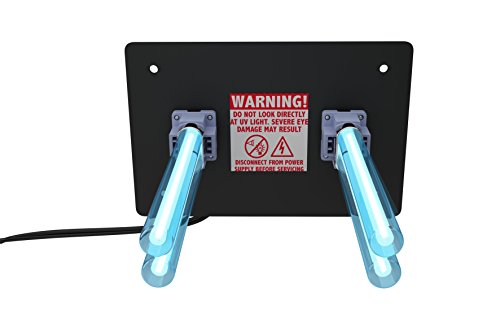
The R2000 model from REKOLIGHTING is described as a whole-house in-duct UV-C solution, with bulbs manufactured in Europe. Its installation is intended to be placed directly within the HVAC ducting, enabling UV exposure as air moves through the system. The 253.7 nm germicidal wavelength is highlighted as the active output, which is commonly associated with reductions in bacteria, viruses, and mold on surfaces that air contacts along the duct pathway. The emphasis on in-duct placement makes it a favorable choice for homeowners seeking to address contamination at the source, rather than relying solely on room-level filtration.
From a maintenance perspective, in-duct UV setups require periodic bulb checks and replacements to maintain efficacy. The European bulbs suggest a design standard and perhaps a focus on stable performance over time. For HVAC owners aiming to bolster coil cleanliness and reduce ongoing microbial risks in the central system, the R2000 option provides a sealed, duct-mounted approach that integrates with existing duct runs. As with all UV installations, ensure power supply compatibility and confirm clearances around the duct area to avoid interference with airflow or components.
OdorStop OS72PRO UV Purifier
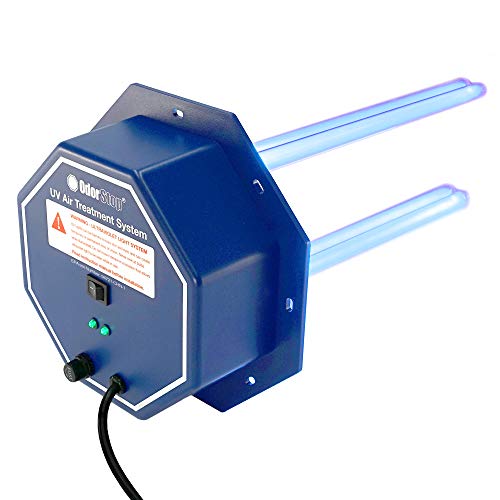
The OdorStop OS72PRO is presented as a robust, professional-grade in-duct UV air purification system with a substantial 72W total output using two 16-inch UV bulbs. The unit relies on UV-C light at 254 nm to target contaminants as air flows through ducts, with an emphasis on energy efficiency due to an airflow sensor that activates the purifier only when the HVAC system runs. The included 6-foot power cord and compact dimensions suggest suitability for a wide range of duct configurations, making it a practical choice for maximizing disinfection without constant operation. Status LEDs are included to indicate bulb and system operation.
With a focus on reliability and ease of use, the OS72PRO can be installed within standard ductwork to irradiate the moving air stream. The energy-saving sensor helps minimize power consumption while maintaining continuous protection during operation. For homeowners who want a larger UV footprint and a straightforward, sensor-driven workflow, this system provides an integrated approach to reducing microbial load in the returning air. As with all UV-based solutions, proper handling during installation and regular bulb checks contribute to sustained performance and safety.
Qualirey 26W HVAC UV Light

The Qualirey 26W UV Light is designed for duct-based HVAC filtration, compatible with common UV lamp configurations used in D200/R18/R2000 series fixtures. It delivers a compact 26W UV-C output at 253.7 nm, suitable for 1–5 ton systems, enabling effective disinfection along the air path without a heavy power footprint. The package emphasizes compatibility with ducts or furnaces and positions itself as a practical retrofit for existing installations. The installation method is described as straightforward, using a base-mounted UV light tube with a template-driven cut-and-fit approach, which supports a precise, airtight fit when mounted in duct work.
For homeowners seeking a balance of cost and efficacy, the Qualirey unit provides a focused UV-C dose along the air stream without over-provisioning wattage. While smaller than some 72W setups, it remains a solid option for mid-sized systems looking to curb microbial growth and odor-related issues stemming from damp or musty air. As with all UV-based upgrades, ensure correct alignment with duct dimensions and verify that the installation includes appropriate seals to maximize irradiation efficiency while preserving system energy performance.
TURBRO AC UV Light Kit

The TURBRO AC UV Light Kit is a 72W system designed for ducted HVAC applications with two 4-pin 2G11 base lamps and an installation template. The high-output UV disinfection capability is paired with a ballast and hardware that support secure mounting on the exterior of ductwork. The kit’s emphasis on a clear installation path—drilling, inserting lamps, and securing the ballast—appeals to users who prefer a structured, do-it-yourself approach. The included template helps ensure proper spacing, with the lamps positioned to maximize exposure along the airflow path while keeping the unit safely outside living spaces.
The TURBRO system underscores safety and regulatory alignment by noting compliance with ozone standards and ETL listing. While UV-C products do not produce ozone in typical configurations when installed correctly, selecting models designed to minimize byproduct emissions remains important. This kit is suitable for homeowners aiming for a robust UV-C presence in larger duct runs, especially when a two-lamp arrangement provides broader surface coverage. Regular bulb replacement and verification of electrical connections help maintain consistent performance over time.
Buying Guide: Key Purchase Considerations And Comparisons
When evaluating UV-C solutions for HVAC systems, consider how the unit will integrate with your ductwork, coil housing, and overall airflow. The following factors help you compare options objectively:
- UV wavelength and power: Look for 253.7 nm UV-C output, a proven germicidal range for in-duct applications. Higher wattage generally increases irradiation coverage but may require more space and a stronger power supply.
- Installation type: In-duct, coil-mounted, or exterior duct configurations affect ease of install, access for bulb replacement, and maintenance frequency. DIY-friendly kits save labor costs but may require careful sealing.
- Coil and duct compatibility: Ensure the unit fits your duct dimensions and does not obstruct airflow. Some products advertise compatibility with a range of tonnage. Verify with your HVAC manual or installer.
- Safety and compliance: ETL listings and ozone considerations are important. Most modern UV-C kits aim to limit ozone production; confirm the product’s ozone emission profile and local code compliance.
- Maintenance and bulb life: UV bulbs have finite lifespans (often thousands of hours). Check replacement schedules, availability, and ease of bulb replacement—some kits include easy-access bulbs or replacement templates.
- Energy usage: While UV-C devices are energy-efficient, total system wattage matters, especially in larger homes or commercial setups. Sensor-driven units help minimize energy use by turning on only when air is moving.
- Installation time and complexity: DIY kits can range from a half-hour to several hours depending on duct access, mounting surfaces, and wiring routes. Consider whether professional installation is preferable for your setup.
- Impact on air quality and odors: UV-C helps reduce microbial load on coils and in ducts, which can reduce musty odors and improve perceived air quality. For VOCs and odors, look for combined technologies (such as carbon filters or PCO) in addition to UV-C.
In choosing between the five highlighted options, align your decision with your system size, duct layout, and maintenance preferences. Larger 72W kits may deliver stronger irradiation for bigger homes or dense duct networks, while 26W and 16-inch configurations offer compact, cost-effective improvements for smaller setups. If you prioritize easy installation and sensor-based operation, models with airflow sensors can minimize energy use while ensuring UV-C exposure during active system runs. Always consult your HVAC professional if you are unsure about duct modifications or electrical wiring required for installation.