Best Stain for Cabinets: A Practical Guide to Color, Finish, and Durability
Selecting the right cabinet stain means balancing color choices, finish quality, odor, and application ease. For American homeowners, water-based formulas often deliver low odor and quick drying, while oil-based options can yield richer color depth with tougher wear. The five stains highlighted here focus on cabinet projects—from quick refreshes to precise touch-ups—covering both water-based and solvent-based options, plus handy touch-up markers for repairs. Each product is assessed for cabinet compatibility, drying time, coverage, and finish quality to help you choose confidently for your next kitchen or bath refresh.
| Product | Brand | Finish / Notes | Cabinet Relevance |
|---|---|---|---|
| DWIL Water Based Wood Stain – Black Walnut | DWIL | One-coat, fast-drying, water-based; low odor | Great for quick cabinet refreshes with natural look |
| SamaN Interior Wood Stain – Cherry | SamaN | Odorless, low VOC; one coat; no conditioner | Ideal for cabinets needing even color with minimal prep |
| Furniture Clinic Wood Stain – Dark Oak | Furniture Clinic | Water-based; dries to natural matte; multiple colors | Versatile on cabinets and furniture; quick dry |
| Varathane Premium Fast Dry Wood Stain – Weathered Gray | Varathane | Oil-based; one-coat coverage; dries in 1 hour | Good for a modern gray cabinet look with depth |
| Varathane Wood Stain Touch-Up Marker – Dark Walnut | Varathane | Quick, easy touch-up; dries in 30 minutes | Perfect for cabinet scratches and small repairs |
DWIL Water Based Wood Stain – Black Walnut

DWIL’s water-based stain emphasizes ease of use for cabinet work. It supports a single-coat approach with fast drying, helping achieve a natural-looking finish without lengthy wait times. The formula is low odor and non-toxic, making it suitable for indoor spaces and sensitive environments. It’s effective on all wood surfaces, including cabinetry, and provides good color penetration for a cohesive look across drawers, doors, and trim. The label notes quick-dry performance, with a matte finish that resists fingerprinting and minor wear in everyday use.
Key advantages include environmental friendliness and broad color options in the DWIL line. The 8.5-ounce bottle (250 ml) is designed for smaller projects or patching, while the product family also offers larger sizes for bigger cabinet makeovers. Coverage and color depth are optimized when the wood is properly sanded and prepared, with a focus on consistent saturation from edge to edge.
SamaN Interior Wood Stain – Cherry

SamaN presents a long-standing option for cabinet staining with a focus on safety and ease of use. The product isOdorless and low VOC, aligning with interior space requirements and occupant health considerations. It’s marketed as one-coat friendly and free of conditioner steps, helping to minimize prep time on cabinet frames and panels. SamaN emphasizes a consistent, high-quality finish that helps preserve wood’s natural beauty without overlapping marks or streaks, making it a practical choice for DIY refinishers and professional settings alike.
In addition to its cabinet applications, SamaN highlights North American craftsmanship backed by decades of experience. The formula aims to be safe for homes with pets and children, while delivering dependable color richness. When selecting Cherry, plan for a warm, red-toned brown that complements natural wood grains and modern hardware, especially in kitchen islands and display cabinets where light reflection affects overall tone.
Furniture Clinic Wood Stain – Dark Oak

Furniture Clinic’s stain is described as effective on all wood surfaces with a quick-drying profile. The water-based formula dries to a natural matte finish in about 10 minutes, making it suitable for cabinet doors and trim that require minimal downtime. It comes in 12 color options, enabling a simple one-coat application for a fresh, even color across large cabinet surfaces. For mid- to large-scale projects, available sizes (250 ml, 500 ml, and 1 gallon) help manage project budgets and stock up for ongoing refinishing tasks.
The product emphasizes coverage consistency and penetration, supporting even color distribution across complex cabinet carvings or panels. Its environmental friendliness, combined with multiple color choices, makes it a versatile option for interiors, especially where a natural, non-glossy look is preferred. It’s particularly useful for reviving older cabinets before applying a protective topcoat for durability.
Varathane Premium Fast Dry Wood Stain – Weathered Gray

Varathane’s Weathered Gray is an oil-based stain designed for interior wood projects, including cabinets, doors, and trim. The one-coat coverage and fast drying profile make it suitable for quicker cabinet updates, while the oil base provides rich color depth and longer wear resistance. It dries to the touch in about an hour and can cover up to 275 square feet per gallon, allowing for larger cabinet runs with fewer coats. The Weathered Gray tone adds contemporary character, pairing well with modern hardware and lighter countertops for a balanced look.
When applying, plan for a deeper color with additional coats if desired, especially on porous woods. Oil-based stains tend to require careful ventilation and longer drying windows between coats, but the result is a durable, even finish that resists wear from frequent cabinet use. It pairs well with polyurethane or polycrylic topcoats for added protection in high-traffic kitchens and baths.
Varathane Wood Stain Touch-Up Marker – Dark Walnut
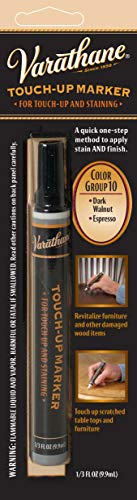
For cabinet repairs, the Varathane touch-up marker offers a focused, quick fix. It’s designed to address scratches, nicks, and minor color inconsistencies without refinishing entire panels. The marker format provides precise color control, and it dries to the touch in roughly 30 minutes, enabling fast restoration. While not a full replacement for a complete stain job, the marker is a practical tool for maintaining a uniform appearance on doors, face frames, and edge bands where small flaws accumulate with use.
Users often pair the marker with a compatible wood stain for touch-up tasks that require color matching across different cabinet surfaces. The Dark Walnut/Espresso option helps blend with darker woods and richer tones commonly found in traditional cabinetry, while keeping the repair process simple and clean. Always test in an inconspicuous area before broader application to ensure color consistency across the project.
Buying Guide
Choosing the right cabinet stain involves balancing several factors. Color goals matter: lighter, gray, or natural tones create different moods, while deeper hues hide wear more effectively. Finish type matters too: water-based stains tend to dry quickly with lower odor and easier cleanup, whereas oil-based formulas often deliver richer, longer-lasting color. For kitchens and bathrooms, consider low-VOC options if indoor air quality is a priority. Surface preparation—sanding, dust removal, and a clean surface—greatly influences final evenness and color depth.
- Surface compatibility: Confirm the stain is suitable for cabinet substrates (hardwoods, plywood, or medium-density fiberboard) and works with your chosen topcoat (polyurethane, lacquer, or water-based sealers).
- Drying time and odor: If the space cannot be closed for long periods, water-based stains with short dry times and low odor are advantageous. For projects demanding deeper color and wear resistance, oil-based options may be preferable.
- Color and finish: Think about whether you want a natural, stained wood look or a modern gray/colored finish. Remember that lighting and wood grain influence perceived color once applied.
- Application method and coverage: One-coat products save time, but some woods require additional coats for uniform color. Check coverage per size (m² per bottle or gallon) to estimate total material needs for cabinets and trim.
- Safety and maintenance: Look for low-VOC formulas if indoor air quality is a concern. Consider products with easy cleanup and compatible touch-up options for ongoing maintenance.
- Topcoat compatibility: If you plan to seal the cabinets, ensure the stain is compatible with your preferred topcoat to prevent issues like delayed curing or color lifting.
- Repair and touch-ups: For high-traffic cabinets, keep a matching touch-up marker or mini tester on hand to address scratches promptly without broad refinishing.
In practice, most cabinet projects benefit from testing a small sample on a hidden area to verify color and finish before committing to the entire run. For rapid refreshes, water-based stains with a single-coat promise can be a time-saver. For a richer, longer-lasting look, oil-based options provide depth but may require more ventilation and longer curing times. By matching product features to your space, you can achieve durable, aesthetically pleasing cabinet outcomes with confidence.