Best Paints for Cement Basement Floors
Choosing the right paint for a cement basement floor means balancing moisture resistance, durability, and ease of cleaning in a space that often bears foot traffic and potential dampness. The following five options are well-suited for basement concrete, spanning epoxy systems to rugged acrylics and slip-resistant coatings. This guide outlines each product’s core strengths, how it performs on basement surfaces, and practical considerations for prep, curing, and maintenance. Use the quick-table below to compare key features at a glance.
| Product | Brand | Finish / Type | Notable Benefit |
|---|---|---|---|
| EpoxyShield Basement Floor Coating Kit | Rust-Oleum | 2-part water-based epoxy; Satin | Durable, interior-grade epoxy that resists stains and wear; walk-on ready quickly |
| Concrete & Garage Floor Paint & Primer | Rust-Oleum | One-part epoxy acrylic; Satin | Easy application with durable, UV-resistant finish for basement and other concrete surfaces |
| Tough Shield Floor & Patio Paint | INSL-X | Satin; waterborne acrylic enamel | Rugged, abrasion-resistant finish suitable for interior/exterior floors |
| Grab-N-Go Porch & Floor Paint | Glidden | Satin; interior/exterior | High durability, easy application, fast-drying for quick turnover |
| Anti-Slip Court & Floor Coating | Dyco Paints | Anti-slip coating; black | Exceeds ADA slip-resistance standards with a long-lasting finish |
Epoxyshield Basement Floor Coating Kit

The EpoxyShield Basement Floor Coating Kit from Rust-Oleum is a two-part water-based epoxy designed for interior concrete basement surfaces. The satin finish provides a professional look while delivering durable protection against stains, wear, and abrasions. Its epoxy formulation creates a tough, chemical-resistant surface that holds up well under foot traffic and routine cleaning. Cure times are practical for residential spaces: the coating becomes walk-on ready in about 8 hours and can handle regular foot traffic within 24 hours. Proper surface preparation—cleaning and ensuring a solid, dry substrate—will maximize adhesion and longevity.
In basements, where moisture and temperature fluctuations are common, a high-quality epoxy system helps create a moisture-resistant barrier that curbs water intrusion and reduces dust and shedding from the concrete. The gray satin color option in this kit offers a neutral, modern look that can be paired with basement furniture and storage solutions. Because this is a two-part epoxy, mixing accuracy and thorough pot-life management are important to achieve a consistent film thickness and cure. Regular maintenance—gentle cleaning with non-abrasive cleaners—will preserve the satin finish over time.
Concrete & Garage Floor Paint & Primer

This 5-gallon Rust-Oleum kit delivers a one-part epoxy acrylic coating suitable for concrete floors, including basements. The satin finish offers a balanced look that hides minor imperfections while standing up to foot traffic and daily cleaning. The formula is noted for outdoor durability as well, which translates to strong performance in spaces with humidity cycles or moisture exposure typical in basements. While it’s marketed for garages and exterior-friendly environments, the universal nature of the coating makes it a solid choice for interior concrete floors that require a straightforward, durable finish without mixing two components.
Application is straightforward, making it appealing for DIY projects. The paint adheres to properly prepared concrete, and the finish resists fading from incidental ambient light. For basement applications, ensure the surface is clean, free of efflorescence, and adequately dry before coating. After application, allow the coating to cure per manufacturer guidelines, then recoat if needed to achieve optimal depth and uniformity. This option is particularly attractive for homeowners seeking a reliable, easier-to-apply alternative to multi-part epoxy systems.
Tough Shield Floor And Patio Paint
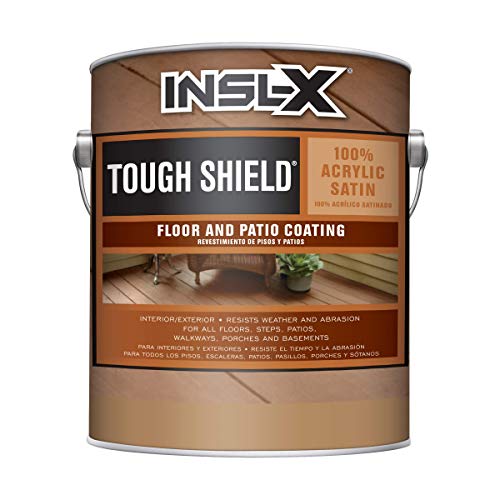
INSL-X CTS35059A-01 Tough Shield Floor and Patio Paint is a rugged, waterborne acrylic enamel designed for a durable finish with strong abrasion resistance. It is versatile for both interior and exterior use and holds up well against detergents, oils, greases, and scrubbing. The satin finish provides a practical balance of aesthetics and practicality for basement floors that receive frequent walkway traffic and occasional dampness. Its ponding water resistance and robust wearing qualities make it a dependable option for concrete surfaces that demand long-term resilience.
Desert Sand is the color variant in the listed listing, offering a warm, neutral tone suitable for basements that want to brighten space without high-gloss glare. Prep remains critical: ensure the surface is clean, dry, and free of bond-inhibiting contaminants. This product’s waterborne chemistry makes it easier to clean up spills during application, and it tends to cure with less odor than solvent-based coatings, improving comfort in enclosed basement environments. For best results, follow recoating windows and avoid applying in very humid or very cold conditions.
Grab-N-Go Porch & Floor Paint

Glidden Grab-N-Go Porch and Floor Interior/Exterior Paint offers high durability with scratch resistance and fast drying. The satin finish provides a balanced, attractive look that can be suitable for basement floors when a quick-drying, straightforward coating is desirable. The paint’s interior/exterior versatility makes it a flexible choice for spaces that may serve as storage, workshop, or living areas. Application ease is a key selling point for homeowners seeking to refresh a basement floor without complex mixing or multiple coats. Proper surface preparation remains essential for maximum adhesion and longevity.
As with most porch-and-floor products, expect a period of cure before placing heavy objects on the surface. Although designed for both indoor and outdoor use, basements benefit from humidity control and adequate ventilation during and after application. The satin finish helps conceal minor flaws and provides a wipe-clean surface that resists scuffs from moving furniture or equipment. If you prioritize speed and simplicity, this option offers a practical balance of performance and ease of use.
Anti-Slip Court & Floor Coating

Dyco Court & Floor Anti-Slip Coating is designed to deliver superior traction on concrete surfaces, meeting or exceeding ADA anti-slip standards. This durability-focused coating is suitable for basement floors where slip resistance is a priority, such as near stairwells, workshop areas, or spaces prone to moisture. The coating’s formulation targets a long-lasting film, resisting UV exposure, salt, and chemicals that can occur in basements with fluctuating humidity or occasional spills. The product is sold in black, offering a stark, professional appearance that hides dirt and scuff marks between cleanings.
When applying an anti-slip coating, surface preparation is critical: remove any loose concrete, clean thoroughly, and ensure the substrate is dry. The coating can provide a safety-first finish for basements used as workout rooms, laundry areas, or storage where moisture and traffic intersect. For best results, consider complementary moisture control measures (like a vapor barrier) and follow the manufacturer’s re-coating recommendations to maintain slip resistance over time.
Buying Guide
Coating Type And Durability
Base options include epoxy systems, acrylic enamels, and anti-slip coatings. Epoxies (two-part or one-part formulations) typically deliver the strongest wear resistance and chemical resistance, making them excellent for basement floors exposed to moisture and heavy use. Acrylic enamels are easier to apply and cure faster, offering good durability for less demanding areas. Anti-slip coatings emphasize traction and safety for wet or high-traffic zones. Choose a coating that matches your performance needs, substrate condition, and maintenance capabilities.
Moisture Management And Substrate Prep
Basements often contend with moisture, dampness, and efflorescence. Begin with a thorough concrete prep: clean, dry, and repair cracks or spalling; test moisture levels if possible; ensure the surface is free of oil, grease, and dust. Some products are formulated to seal or resist moisture, while others require a separate primer or moisture barrier. Proper prep improves adhesion, reduces peeling risk, and extends the coating’s life in a basement environment.
Finish, Appearance, And Foot Traffic
Finish choices range from satin to gloss. Satin finishes offer a practical balance of appearance and touch-up ease, while glossier finishes are easier to clean but show more surface imperfections. Consider foot traffic levels and whether the space will see furniture movement, tools, or vehicles. For basements with frequent cleanings or stored items, a durable satin or epoxy satin finish tends to perform best over time.
Slip Resistance And Safety
Some basements require enhanced safety features, especially in areas that may get wet. Anti-slip coatings meet or exceed ADA standards and provide additional grip for stairs, laundry spaces, and workshops. If slip resistance is a priority, choose a product designed for traction and plan for appropriate cleaning and maintenance to preserve the surface’s safety features.
Application, Curing Time, And Odor
Application method (brush, roller, or spray) and curing time influence project duration. Epoxies often require careful mixing, precise application, and longer cure times, but yield long-term durability. Acrylic polys offer faster cure with simpler application, though may require more frequent maintenance in demanding environments. Ventilation is important for all coatings; allow adequate drying time before moving furniture or placing objects on the floor. Odor varies by product and humidity, so plan accordingly for basement living spaces.
Coverage, Maintenance, And Longevity
Consider how much area you need to cover and how often you’ll recoat. Durable epoxy and anti-slip coatings typically offer longer lifespans—often several years—before a recoat is necessary, whereas acrylic-based products may require more frequent refreshes depending on traffic and cleaning routines. Balance upfront cost with expected longevity and maintenance needs to determine the best long-term value for your basement project.