Best Oils for Carbon Steel Pans: Top Seasoning Options
Carbon steel pans perform best when they develop a durable, natural nonstick layer through proper seasoning. The right oil or wax-based product helps build and maintain that coating, protects against rust, and supports even heating. This guide highlights five Amazon-relevant options that focus on natural ingredients and practical performance—ranging from oil blends designed for quick, simple seasoning to wax-based formulas that seal and protect over time. Each pick is evaluated for how it contributes to routine maintenance, re-seasoning, and long-term pan care.
| Product | Brand | Primary Use | Highlights |
|---|---|---|---|
| Lodge Carbon Steel Skillet – 10 Inch | Lodge | Pre-seasoned skillet | High heat tolerance; natural seasoning; versatile cooking |
| Made In Carbon Steel Seasoning Wax | Made In | Seasoning wax | Rice bran wax with canola and grapeseed oils; easy sealing |
| Knapp Cast Iron & Carbon Steel Seasoning Wax | CM SCRUBBER | Seasoning wax for multiple surfaces | Beeswax blend; multiple uses; natural oils |
| Merten & Storck Pre-Seasoned Carbon Steel Pan | Merten & Storck | Pre-seasoned pan | Lightweight; ready to cook; induction-safe |
| Made In 12-Inch Blue Carbon Steel Pan | Made In | Seasoned blue carbon steel pan | Hybrid heat control; durable; large surface |
Lodge Carbon Steel Skillet – 10 Inch

Lodge’s 10-inch carbon steel skillet is a versatile workhorse designed to excel at high-heat cooking. The pan ships pre-seasoned with 100% natural vegetable oil, creating a natural, easy-release finish and helping to prevent rust. The seasoning is built into the iron through oil baked into the surface, which improves with use and creates a resilient layer that gets better the more you cook with it. This makes it a practical starter or addition for anyone seeking an approachable, low-maintenance seasoning routine.
Its lightweight construction and long, comfortable handle make it suitable for use on a stove, in an oven, on a grill, or even over a campfire. The skillet’s heat retention is characteristic of carbon steel, delivering even browning and searing once the surface has developed sufficient seasoning. For ongoing care, a simple routine of washing with warm water and a nylon brush, drying completely, and applying a thin coating of oil after each use helps sustain the seasoned surface and extend life. Avoid dishwasher exposure to preserve the finish.
Care and maintenance play a central role in longevity. After cooking, wipe away any stuck-on food gently, rinse with warm water, and dry thoroughly. Reheat briefly and apply a light coat of oil to seal the surface. The goal is to keep the surface slightly oily and free of moisture, which discourages rust and supports the formation of a robust patina over time. With regular use and proper care, this Lodge skillet becomes smoother and more nonstick over years of cooking.
Made In Carbon Steel Seasoning Wax

This seasoning wax combines rice bran wax with canola and grapeseed oils to deliver an easy-sealing protective layer on carbon steel and cast iron cookware. The blend is designed to simplify seasoning by providing a lasting film that helps preserve the pan’s surface while resisting moisture and rust. The product is crafted in Canada, reflecting a schedule-friendly approach to maintaining seasoning without the need for repeated oiling or re-seasoning after every use.
To apply, wipe a thin film on a clean, dry surface and buff evenly. The wax sets as you heat the pan slightly, creating a robust seal that reduces sticking and enhances future seasoning. While it provides durable protection, it’s always wise to reapply after heavy use or prolonged simmering, especially if the pan has seen aggressive cleaning. Regular maintenance—brief reheating and light oiling—keeps the surface resilient and ready for quick meals.
Users should note that wax-based seasonings can be a helpful alternative when you want longer intervals between re-seasoning. They work well on bare steel and on pans that have seen wear or minor rust spots, aiding in quick restoration. Regular warmth and light oiling ensure continued performance over time, making wax a compelling option for busy cooks who value consistent results with minimal effort.
Knapp Cast Iron & Carbon Steel Seasoning Wax
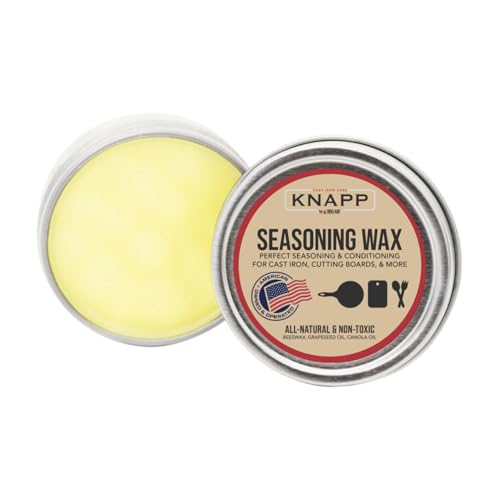
Knapp’s seasoning wax blends grapeseed oil, canola oil, and beeswax to create a natural, all-purpose coating for carbon steel and cast iron. The product is designed for multiple uses, including old and new cast iron, carbon steel, wood surfaces, Dutch ovens, and grills. The beeswax component contributes durability and a protective shell, while the grapeseed and canola oils support a smooth, flexible thin layer that can be reapplied as needed. This multi-surface capability makes it a versatile option for households with several seasoned items.
The formulation emphasizes all-natural ingredients sourced from local suppliers, which is appealing for cooks who prioritize sustainability. The wax is easy to apply—paint a thin layer, allow to set, and buff—then continue normal seasoning maintenance. For maximum effectiveness, reseal after extended washing or exposure to moisture, and store the pan in a dry place to prevent rust between uses. Its broad utility makes it a practical addition to a seasoned cookware kit.
Merten & Storck Pre-Seasoned Carbon Steel 10” Frying Pan

This pre-seasoned carbon steel pan from Merten & Storck is designed for immediate use. The pan is described as lightweight with excellent heat control and natural nonstick performance, making it ready to cook right out of the box. It is oven- and induction-safe, broadening its range of applications from stovetop sautéing to oven broiling. The pre-seasoning means you can start cooking without an initial seasoning step, though ongoing maintenance will still improve the surface as you continue to cook.
The product’s pre-seasoned status reflects a practical approach to cookware readiness. With carbon steel, the more you use the pan, the better the seasoning becomes, thanks to oil absorbed during cooking. For best results, hand wash with warm water and a mild scrubber, dry completely, and apply a light coat of oil after each use to reinforce the seasoning. This approach keeps rust at bay and sustains the pan’s nonstick properties over time.
Made In 12-Inch Blue Carbon Steel Pan

The 12-inch blue carbon steel pan from Made In combines robust heat retention with responsive temperature control. Its diameter provides a generous cooking surface, ideal for searing larger cuts or producing generous batches of stir-fries and braises. The pan’s construction is designed for durability, with heat resistance up to high temperatures, making it suitable for stove-top and oven use. The blue finish signals a premium surface that benefits from regular seasoning and maintenance to develop a dark, nonstick patina over time.
From a performance perspective, this pan aims to balance the benefits of cast iron’s heat retention with more agile heat control. It’s designed to handle busy kitchen workloads, offering long-term versatility for searing, sautéing, and oven finishing. To optimize longevity, maintain a consistent oil film on the surface, wipe away excess food particles after cooking, and re-season as needed to preserve the coating’s integrity. Regular use with proper care will yield a smoother, more nonstick cooking surface over time.
Buying Guide
When selecting seasonings and coatings for carbon steel pans, consider how you cook most often, how much time you want to devote to maintenance, and whether you favor oil-based or wax-based solutions. The following considerations help compare the five products featured above and similar options available online.
Key Purchase Considerations
- Seasoning Material: Oil-based coatings provide continuous seasoning with use, while wax-based products offer longer intervals between reapplications and can seal exposed surfaces more aggressively.
- Ease of Application: Wax blends often require fewer steps to seal, whereas oil-based options may require repeated heating and buffing to build a patina.
- Surface Readiness: Pre-seasoned pans arrive ready to cook, while bare carbon steel requires a seasoning routine before use.
- Pan Size and Weight: Larger pans offer more cooking space but can be heavier to maneuver, especially for beginners.
- Maintenance Regimen: Regular cleaning, complete drying, and a light oiling after use are essential to prevent rust and maintain a nonstick layer.
Seasoning Material Insights
Oil-based seasonings, such as grapeseed or canola blends, build a flexible, durable patina that improves with repeated cooking. They are ideal for cooks who enjoy an evolving surface with frequent use. Wax-based products, including beeswax blends, can create a protective shell that resists moisture and extends intervals between seasoning sessions. Wax may be particularly useful on pans that have any light rust spots or require restoration. Both approaches benefit from a consistent care routine and proper drying after washing.
Care and Maintenance Considerations
Avoid soaking carbon steel pans for extended periods; instead, rinse with warm water and a soft brush. Dry thoroughly to prevent rust, then apply a thin coat of oil or sealant to seal the surface. Reheat briefly to ensure the coating bonds to the metal. If you notice rust or dull spots, perform a light reseasoning by applying a small amount of oil or wax and heating the pan to bake the coating back into the surface. Over time, proper maintenance yields a smoother, more durable finish with better nonstick properties.
Performance And Longevity
Seasoning enhances heat distribution and reduces sticking, enabling better browning and cooking results. Oil-based coatings tend to respond well to regular use, while wax-based options can reduce the frequency of re-seasoning and offer strong protection against moisture. For high-heat cooking, ensure the pan and its coating can withstand the temperature without degrading. Induction compatibility, oven safety, and overall durability are additional factors that influence long-term performance and value.