Best Non-Toxic Paints for Nurseries: Safe Baby-Friendly Options for Little Artists
Choosing non-toxic paints for a nursery is about safeguarding little skin, preventing messy cleanups, and encouraging early creativity. The options below are chosen for safety, washability, and classroom-grade versatility, while keeping the playful spirit of early art intact. Each product meets safety standards and is designed for babies, toddlers, and preschoolers to explore color with minimal risk. Read on to compare five top picks and find the right fit for your nursery or daycare art corner.
| Product | Brand | Key Benefit |
|---|---|---|
| Crayola Washable Kids Paint | Crayola | Washable, six bold colors, kid-safe for little hands |
| ABEIER Washable Finger Paint | ABEIER | Non-toxic, ASTM D-4236 compliant, 12 vibrant colors |
| Honeysticks Non Toxic Finger Paint | Honeysticks | Water-based, cosmetic-grade colorings, thick texture |
| Jar Melo Washable Finger Paints | Jar Melo | Non-toxic, large 2.1 oz tubes, safe for hands and feet |
| Colorations Paraben-Free Washable Tempera Paint | Colorations | Paraben-free, AP Seal, Made in USA, washable |
Crayola Washable Kids Paint: 6 Bold Colors
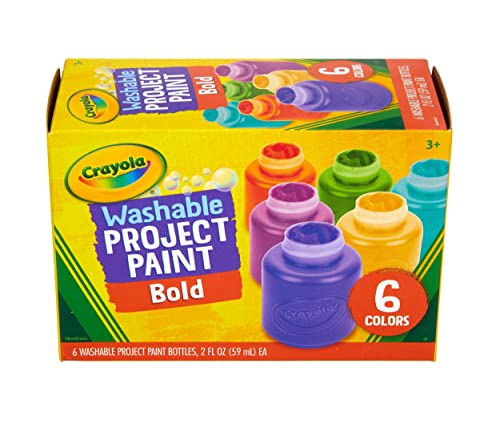
Crayola’s washable project paint offers six bold colors designed for young creators. The washable formula helps minimize staining on skin, clothing, and most surfaces, making it well-suited for nursery art corners and classroom stations. The color set is versatile for letters, shapes, and color-mixing activities you’ll likely run during early literacy and art sessions. For parents seeking a familiar, trusted option, Crayola’s paints provide reliable performance without harsh chemicals.
- Non-toxic, kid-friendly formulation
- Washable from skin and most textiles
- Six vibrant colors including yellow, teal, and blue-violet
- Ideal for crafts, school projects, and routine art time
Its breadth of colors supports color recognition games and early science experiments (primary color mixing, color afterimages, etc.). Suitable for paper, cardboard, and light craft projects typical in nursery settings. For best results, use with thick-coloring papers and low-mud paints on smooth surfaces to reduce bleed-through.
ABEIER Washable Finger Paint: Safe 12 Colors

ABEIER offers a non-toxic finger paint set with 12 vibrant colors and a cream texture that spreads easily on paper without heavy drips. The paints conform to ASTM D-4236 standards, ensuring a child-friendly composition. The washable formula makes cleanup quick for nurseries, while the broad color range supports color learning and sensory exploration. Teachers and caregivers can guide little artists through color mixing, pattern making, and early motif development with confidence in safety.
- Safe, non-toxic composition (ASTM D-4236)
- Washable from most surfaces, designed for toddlers
- 12 vibrant, blendable colors
- Creamy texture enhances grip for small hands
Note: Perforated fabrics or certain wood surfaces may resist complete washing, so it’s best used on paper, poster board, or craft mats. This set supports a broad range of nursery activities, from handprint art to color-mpecified storytelling activities that pair with picture books.
Honeysticks Non Toxic Finger Paint: 6 Colors

Honeysticks finger paints are water-based, non-toxic, and crafted with cosmetic-grade colorings. The set includes six pots in primary and secondary hues, manufactured in New Zealand with a thick, creamy texture that gives little artists better control and less mess. The paints rinse easily from skin and most surfaces, supporting ongoing art play in nurseries and early classrooms. The combination of safety, texture, and cleanability makes these paints a favorite for busy caregiver-led sessions.
- Water-based and non-toxic
- Cosmetic-grade colorings for gentle hues
- Thick, creamy texture enhances grip and control
- Washable from skin and most surfaces
While highly versatile, avoid porous surfaces like unfinished wood or fabric that may absorb paint more deeply. Pair with large-format paper for best poster-like artworks or with stamping tools to introduce texture and shape repetition in toddler art projects.
Jar Melo Washable Finger Paints For Toddlers: 10 Colors

Jar Melo’s finger paint set offers ten colors in large 2.1 fl oz tubes, designed for extended toddler sessions. The paints are non-toxic and safe for direct contact with skin and hands, making them ideal for handprint projects and sensory exploration. The generous tube size reduces the frequency of replacements in busy nursery art corners, while the non-toxic pigments support daily creative play without added worry about exposure to harsh chemicals.
- Non-toxic and skin-safe
- Ten vivid colors in large 2.1 oz tubes
- Safe for hand and feet painting, preschool activities
- Durable for repeated sessions and classroom use
Care tips include using a washable mat or table cover to protect surfaces, and washing hands promptly after sessions to keep skin clean. This set pairs well with stencil activities and simple color-mix prompts that support early math concepts like primary colors and color blending.
TMOL Washable Finger Paints: 10 Colors

TMOL provides a complete art set with ten finger paint colors, brushes, sponges, stamp shapes, no-spill cups, and a waterproof smock. The paints are ASTM D-4236 certified and non-toxic, designed for baby-safe creativity in nurseries and home classrooms. The included accessories support varied activities—from finger painting to stamping—helping caregivers facilitate sensory play that builds fine motor skills and color recognition.
- ASTM D-4236 certified, non-toxic
- Ten colors plus brushes and accessories
- Washable and kid-friendly cleanup
- Great for handprints, sensory play, and early learning
To maximize safety, use on washable tables or mats, and keep small components away from younger infants who might mouth items. The kit’s varied tools promote exploratory play while keeping cleanup straightforward for nursery staff.
Buying Guide: Key Considerations For Choosing Nursery-Safe Paints
- Safety certifications: Look for paints that meet ASTM D-4236 standards and carry AP Seal or similar safety attestations. These certifications indicate a product has been reviewed for labeling accuracy and general safety for children.
- Washability: Nursery environments benefit from paints that rinse easily from skin and most surfaces. Check whether a paint is labeled as washable and see notes about fabric or porous surfaces to plan cleanup strategies.
- Skin contact safety: For babies and toddlers, opt for non-toxic formulas designed for direct contact with skin. Materials described as “skin-safe” or “non-toxic” reduce concerns about accidental touching or gentle handling.
- Texture and usability: Creamy or thick finger paints tend to stay on hands and paper with less dragging, which helps toddlers control movements. Gel-like textures can support stamp art and stamping tools as well.
- Color range and mixing potential: A broader color palette supports color recognition activities and basic color-mixing experiments, an important early learning objective in nurseries.
- Age suitability and supervision: Check recommended ages and always supervise young children during painting. Some sets include small parts or accessories; keep these away from infants and toddlers who tend to mouth objects.
- Surface compatibility: Most paints work best on paper and poster boards. Be cautious with fabrics, unfinished wood, and porous materials that may absorb color or resist cleanup.
- Storage and shelf life: Store paints in a cool, dry place and ensure caps are sealed tightly to prevent drying out. Larger tubes or sets may be more economical for busy nurseries with frequent use.
- Environmental impact: If possible, select paints with reduced VOCs and eco-friendly production practices. This supports healthier indoor air quality in spaces where babies sleep and play.
- Bundle practicality: For nurseries, sets that include brushes, smocks, or stamping tools can simplify setup and cleanup, helping staff run art corners more efficiently.