Best Glue Up Ceiling Tiles for Quick and Clean Installations
Glue-up ceiling tiles offer a straightforward way to refresh interior spaces without the mess of tearing out existing ceilings. This guide highlights five popular, ready-to-install options that work with standard 15/16″ T-bar grids or flat substrates. The selections prioritize affordability, simple installation, and reliable performance for residences, offices, and light commercial rooms. Readers will find a mix of foam and PVC tiles, each chosen for ease of use and compatibility with glue-up methods.
Below, you’ll see a concise comparison table and detailed product sections followed by a practical buying guide. The aim is to help you pick tiles that fit your surface, climate, and project timeline while avoiding unnecessary complexity.
| Product | Brand | Size | Coverage | Key Feature |
|---|---|---|---|---|
| Astana White Foam Tiles | Antique Ceilings | 20″ x 20″ tile | About 135 sq ft | Polystyrene foam; easy glue-up; can cover popcorn ceilings |
| STICKGOO PVC Ceiling Tiles | STICKGOO | 24″ x 24″ tile | 48 sq ft | Lightweight PVC; moisture resistant; paintable; grid-friendly |
| Art3d Drop Ceiling Tiles | Art3d | 24″ x 24″ tile | 48 sq ft | Durable PVC; moisture and corrosion resistant; recyclable |
| Zeta White Foam Tiles | Antique Ceilings | 40-piece box | Not specified | Polystyrene foam; easy glue-up |
| WOWSTAR 24×24 Tiles | WOWSTAR | 24″ x 24″ tile | 48 sq ft | Waterproof PVC; easy installation; recyclable |
Note: Coverage figures are approximate and based on typical tile sizes and pack counts. Always verify exact specifications on the product page before purchasing in case of packaging updates or regional differences.
Astana White Foam Tiles, 50pc

The Astana White Foam Tiles comprise 50 pieces of 20″ x 20″ polystyrene foam tiles. Coverage runs to about 135 square feet, making it a cost-effective choice for quickly upgrading dated ceilings. The foam material keeps the project light on the installer’s back and reduces handling fatigue during installation. They’re designed to accept most standard mastic ceramic tile adhesives, enabling a glue-up approach that bypasses the need for heavy lifting or mounting hardware. One notable benefit is the ability to install over popcorn ceilings, a common feature in older homes.
- Made from high-quality polystyrene foam
- Easy to install with most mastic adhesives
- Can be installed directly over popcorn ceilings
Installation considerations include surface preparation and adhesive selection. Clean the ceiling surface to remove dust and loose material, then apply adhesives evenly to prevent sagging. Foam tiles typically respond well to standard tile adhesives, but ensure the adhesive is compatible with foam materials to prevent any chemical reaction or warping. For bathrooms or high-humidity areas, consider additional sealing or opting for more moisture-resistant options.
STICKGOO PVC Glue Up Tiles, 12 Pack

STICKGOO offers a pack of 12 tiles measuring 24″ x 24″ and totaling about 48 square feet. Made from PVC, these tiles are designed for glue-up installation as well as grid-based systems. The PVC construction emphasizes durability, flexibility, and resistance to cracking, fading, and warping. The material is waterproof and paintable, allowing for color customization to match interior design themes. The package is prepared for immediate use—tiles can be glued directly to flat substrates or fitted into existing 15/16″ T-bar grids.
- Easy installation for grid or flat substrates
- Premium PVC material: lightweight, flexible, waterproof
- Crack, fade, and warp resistant; paintable
When installing, you can cut tiles with a utility knife or scissors to fit around light fixtures and corners. This flexibility is beneficial for irregular ceilings and rooms with obstructions. For best long-term results, use adhesive compatible with PVC and follow ventilation guidelines to ensure proper curing. STICKGOO tiles are well-suited for kitchens, basements, or offices where water exposure or humidity is a concern, thanks to their moisture resistance.
Art3d Drop Ceiling Tiles, 12-Pack

Art3d’s 12-pack provides 48 square feet of 24″ x 24″ drop ceiling tiles. The tiles are made from durable PVC that resists moisture and corrosion, reducing risk of warping in humid spaces. A 1 blank edge tile is included for border filling, helping to achieve clean, professional edges around the room. Installation is straightforward: slide tiles into a standard 15/16″ T-bar grid or adhere to flat surfaces for a direct-glue approach. The tiles are recyclable and designed to be both lightweight and long-lasting.
- Includes 12 main tiles and 1 edge tile for borders
- PVC construction resists moisture and corrosion
- Recyclable and easy to install in grids
For best results, plan the layout before installation to minimize cutting and waste. When applying a direct-adhesive method, ensure the surface is clean and dry, and use a compatible adhesive rated for PVC tiles. These tiles work well in kitchens, offices, and living spaces where a bright, clean ceiling look is desired without the heavy labor of traditional tile replacement.
Zeta White Foam Tiles, 40pc Box
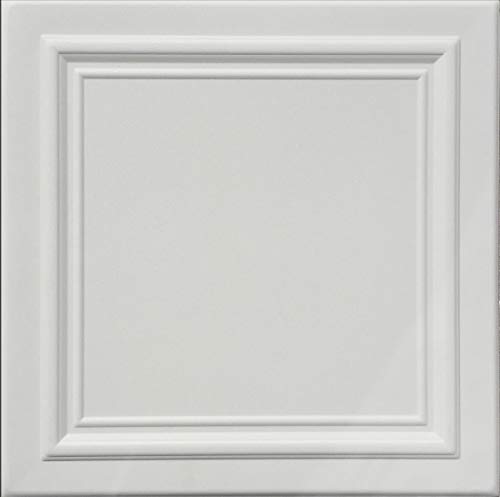
The Zeta White Foam Tiles come in a 40-piece box, designed for quick glue-up installations. Like other foam tiles, these are lightweight and easy to handle, with the same adhesive-based installation approach. The listing emphasizes a straightforward glue-up process and compatibility with common tile adhesives, making them a practical option for DIY ceiling upgrades. While foam tiles are often budget-friendly, keep in mind that moisture sensitivity and long-term durability can vary by environment, so usage in high-humidity zones may require additional considerations.
- Polystyrene foam material
- Easy glue-up installation
- Can be installed over popcorn ceilings
Before installation, ensure the ceiling surface is clean and dry. Foam tiles typically respond well to standard mastic adhesives formulated for foam, but verify compatibility to avoid chemical reactions or sealing issues. Foam options like Zeta are ideal for quick cosmetic updates in living rooms, bedrooms, and dry spaces, offering a budget-friendly route to a brighter ceiling finish.
WOWSTAR 24×24 Glue Up Tiles, 12-Pack

WOWSTAR’s 12-pack includes 24″ x 24″ ceiling tiles, covering about 48 square feet. These tiles are crafted from PVC, a material known for durability and moisture resistance. The product is described as waterproof and fully recyclable, aligning with eco-conscious projects. Installation is designed for straightforward glue-up application or grid-based setups, making it suitable for kitchens, living rooms, and small office spaces where quick updates are desired without heavy labor.
- Pack of 12 tiles; 48 sq ft total coverage
- Waterproof PVC; durable and recyclable
- Easy glue-up or grid-based installation
In practice, PVC tiles from WOWSTAR are well-suited to moderate humidity areas and busy environments where ease of maintenance matters. For areas with frequent moisture exposure, PVC’s moisture resistance provides an advantage over foam options. When cutting tiles to fit around fixtures, a sharp utility knife yields clean edges, and a light score line helps prevent cracking. Consider adding edge trim or border tiles to finish the look professionally.
Buying Guide
Key purchase considerations
Choosing the right glue-up ceiling tiles involves weighing material properties, installation needs, and room conditions. Foam tiles are typically the most budget-friendly and lightest to handle, but they can be more vulnerable to moisture and wear in humid spaces. PVC tiles offer superior moisture resistance, durability, and ease of cleaning, at a potentially higher upfront cost. Your choice should reflect the space’s humidity level, whether the ceiling is textured (like popcorn), and whether you want paintable options or color customization.
Materials: Foam vs PVC vs Composite
Polystyrene foam tiles are excellent for rapid transformations and light-duty rooms. They are easy to cut and install with basic adhesives, which reduces labor time. PVC tiles deliver better moisture resistance and stability in kitchens, bathrooms, or basements. They’re also often recyclable and can be painted if the user wants a custom color. Some projects benefit from a hybrid approach: use PVC in moisture-prone zones and foam in dry living areas to balance cost and durability.
Size, Coverage, and Layout
Tile size (2’x2′ or 24″x24″) directly affects seams and layout plans. Calculate total room area and divide by tile coverage to estimate quantity, then add a buffer for cuts and waste. For rooms with many corners or fixtures, plan for border tiles or edge trims to achieve a clean perimeter. Consider whether the tiles will be grid-installed or glued directly to the surface—some products perform equally well with either method, while others are optimized for one approach.
Adhesives, Installation Method, and Surface Prep
Glue-up tiles rely on compatible tile adhesives. Always verify that the adhesive is approved for the tile material (foam or PVC) and the ceiling substrate. Prepare the ceiling by cleaning dust and smoothing any irregularities. If installing over popcorn ceilings, confirm that the adhesive and tile choice tolerate surface texture. For direct-glue applications, apply a consistent pattern and avoid excessive adhesive that can seep through seams.
Durability, Maintenance, and Environmental Considerations
PVC tiles offer higher durability and easier maintenance; they resist moisture and are easier to wipe clean. Foam tiles, while affordable and lightweight, may show wear sooner in humid or high-traffic zones and could be susceptible to moisture damage if not properly treated. For eco-conscious projects, look for tiles that are recyclable and produced with lower emissions. Warranty terms may also influence long-term satisfaction, particularly in commercial settings where replacement costs matter.
Practical comparisons at a glance
Foam tiles provide a budget-friendly route with quick DIY installs and simple cuts, ideal for rental spaces or dry interiors. PVC tiles deliver superior moisture resistance, longevity, and color stability, making them a strong choice for kitchens, baths, and basements. For large or busy rooms, consider sets that include border tiles to ensure a polished finish. Always verify packaging details and included edge pieces to minimize last-minute shopping trips.