Best Finishes for Walnut: Top Walnut Wood Finishes for Furniture
Walnut wood is prized for its rich color and grain. Choosing the right finish depends on your project—whether you want to deepen color, restore a worn surface, or protect kitchenware. This guide highlights five top finishes that pair well with walnut: a restoration-friendly option, a classic dark oil-based stain, a gloss gel stain for depth, a low-odor water-based option, and a precise touch-up marker for minor damage. Each product reveals walnut’s character while offering durability for furniture, cabinets, and daily-use items. The following quick-reference table helps compare key traits at a glance.
| Product | Brand | Type | Why It Stands Out |
|---|---|---|---|
| Howard Restor-A-Finish Walnut | Howard | Finish / Restorer | Penetrating restoration, matches walnut tones, easy wipe-on/wipe-off |
| Minwax Dark Walnut Wood Finish | Minwax | Oil-based stain | Deep color with rich grain, quick dry, coats deepen for darker tones |
| General Finishes Antique Walnut Gel Stain | General Finishes | Gel stain | Lustrous finish, heavy-bodied, less penetration than liquids |
| General Finishes Walnut Water Based Wood Stain | General Finishes | Water-based stain | Rich pigments, versatile application, low odor and low VOC, easy cleanup |
| Minwax Dark Walnut Stain Marker | Minwax | Touch-up marker | Fast and easy touch-ups for nicks and scratches, handy for small projects |
Howard Restor-A-Finish Walnut

Restor-A-Finish is a finish-penetrating formula designed to restore wood finishes while blending out minor scratches, blemishes, and abrasions. It is available in nine colors to match many wood tones, including Walnut. The wipe-on, wipe-off process makes it suitable for quick refinishing of surfaces that appear dull or worn. For walnut projects, the Walnut variant blends well with existing tone, reviving luster without a full refinishing job. The product’s penetrating nature helps restore the look of older walnut surfaces on furniture, trim, and other finished wood items.
- Penetrating finish-restorer with color-matching options
- Colors include Walnut and Dark Walnut for compatibility
- Simple wipe-on, wipe-off application saves time
Minwax Dark Walnut Wood Finish

Minwax Dark Walnut Wood Finish is a deep-penetrating, oil-based stain that enriches walnut with a rich, natural-looking color while enhancing the grain. It’s well-suited for interior projects like furniture, cabinets, and doors. The stain dries within about two hours, after a brief initial five-minute penetration, allowing for multiple coats to achieve deeper color. Application is straightforward—brush or wipe along the grain, then wipe away excess after a short period. This stain is a classic choice for walnut furniture seeking a traditional, darker tone while preserving wood texture.
- Oil-based stain for deep, even walnut color
- Quick drying; recoatable within a few hours
- Apply with cloth or brush along the grain
General Finishes Antique Walnut Gel Stain

This General Finishes gel stain delivers a distinctive finish with a luxurious look. It has a strong “finishing feel” and yields a lustrous result that stands out on walnut. The gel formulation is heavy-bodied, so it does not penetrate as deeply as liquid oil-based stains. This makes it ideal for achieving a controlled depth and a polished surface on walnut furniture and trim. It’s particularly useful when you want a strong color block on the surface without too much grain visibility.
- Gel formulation for a rich, lustrous finish
- Heavy-bodied; less penetration than liquid stains
- Excellent for achieving a finished, premium look on walnut
General Finishes Walnut Water Based Wood Stain

General Finishes’ water-based walnut stain is designed for versatility and ease of use. High-quality pigments yield rich, dark walnut tones, and the formula can be hand-applied or sprayed depending on the project. The water-based design offers advantages such as low odor, low VOC, and water cleanup, making it suitable for indoor applications where odor control and quick turnaround matter. While it might require multiple coats for a deeper color, the finish remains user-friendly and forgiving for walnut furniture, cabinets, and decorative pieces.
- High-pigment, rich walnut color
- Low odor, low VOC; easy cleanup with water
- Suitable for hand application or spraying
Minwax Dark Walnut Stain Marker
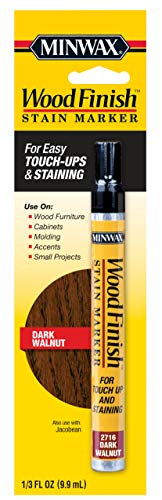
The Minwax stain marker is designed for quick and easy touch-ups of common nicks and scratches on wood items. It’s versatile enough for furniture, molding, cabinets, doors, and floors, making it a handy tool for walnut projects where minor blemishes occur. The marker dries quickly, enabling immediate use after repair. For walnut surfaces with small imperfections, this marker provides a fast, low-muss solution without needing to redo larger areas or sand heavily.
- Easy touch-up for nicks and scratches
- Versatile for furniture, molding, cabinets, and more
- Fast-drying for quick fixes
Buying Guide
Key purchase considerations help align your selection with the walnut project you have in mind. Start by identifying the project type—rejuvenating an old piece, staining new walnut, or repairing minor damage—and then choose a finish that matches your goals.
- Finish type and depth: Oil-based stains like Minwax Dark Walnut deliver deep color and grain contrast, while gel stains from General Finishes offer a lustrous surface with less penetration. Water-based stains provide easier cleanup and lower odor, ideal for indoor spaces.
- Restoration vs. color depth: If the goal is restoring wear and scratches, Restor-A-Finish from Howard is designed for quick, restorative work. For full color depth, consider a traditional stain or gel stain.
- Application method: Wipe-on, brush, spray, and marker touch-ups each have pros. Gel stains are forgiving on irregular surfaces; water-based stains accept spraying well; markers are best for small repairs.
- Drying and recoat windows: Oil-based stains typically require longer cure times and multiple coats for deep color, while water-based stains usually allow faster recoat cycles. Always follow the manufacturer’s instructions for recoat timing.
- Odor, VOCs, and indoor use: If you’re finishing inside a home or kitchen, low-odor, low-VOC water-based options are advantageous. Ventilation is still important for any solvent-based finish.
- Surface preparation: Lightly sanding and cleaning before application improves adhesion and color uniformity. For already finished walnut, you may need to scuff the surface to help new finish adhere.
- Color matching and compatibility: When applying a new stain over existing walnut finishes, test on a small inconspicuous area to ensure color harmony. Restorers can help blend scratches without changing the overall wood tone.
- Food safety considerations: If you plan to use walnut surfaces for food contact, specific oils (like walnut oil finishes) may be preferred. Most stains and varnishes require curing times and are not food-safe until fully cured, so check product specifications.
Across these selections, walnut projects benefit from balancing color depth with durability, ease of application, and the potential need for touch-ups. For a quick refresh on older walnut furniture, consider Restor-A-Finish. For new walnut pieces, a traditional oil-based stain like Dark Walnut delivers a classic look, while gel and water-based options provide varying levels of gloss and ease of use. For ongoing maintenance, the stain marker offers a fast fix for minor imperfections. Always follow safety guidelines and allow proper curing before heavy use.