Best Fertilizer for House Plants: Top Picks for Healthy Indoor Growth
Choosing the right fertilizer helps houseplants thrive in indoor environments with limited light and space. The right formulas support vibrant foliage, fuller growth, and even budding flowers in container setups. This guide highlights five reliable fertilizers that work well for common houseplants—from snake plants to fiddle-leaf fig. Each option offers a practical feeding method, whether you prefer liquids, ready-to-use formulas, or concentrated blends. Use the table below to compare quick specs, then explore detailed product sections to see how each option can fit your plant care routine.
| Product | Brand | NPK | Notes |
|---|---|---|---|
| Miracle-Gro Indoor Plant Food | Miracle-Gro | N/A | Instant liquid feed for indoor containers |
| Purived All-Purpose Liquid Plant Fertilizer | Purived | N/A | Odorless; makes up to 50 gallons |
| Miracle-Gro Pour & Feed Plant Food | Miracle-Gro | N/A | Ready-to-use; no mixing required |
| Miracle-Gro Water Soluble All Purpose Plant Food | Miracle-Gro | 24-8-16 | Feeds most plants; quick results |
| HiThrive 16oz Houseplant Fertilizer | HiThrive | 6-2-4 | 2X concentrated; yields 85+ gallons |
Miracle-Gro Indoor Plant Food Review

Miracle-Gro Indoor Plant Food is a ready-to-use liquid fertilizer designed for indoor container plants. The formula includes nutrients that support general plant health, helping indoor specimens flourish in homes with limited natural light. It feeds plants quickly, meaning noticeable improvements in color and growth can occur soon after application. The product is positioned for versatility, suitable for common houseplants such as snake plants, peace lilies, and crotons, as well as flowering varieties, herbs, and even small vegetables grown in pots. This flexibility makes it a practical option for mixed indoor plant collections.
The product’s liquid form simplifies routine feeding, letting you mix with water according to label directions and apply during your regular watering schedule. Because it’s designed for a wide range of indoor container plants, it’s especially convenient for households with multiple plant types. For best results, apply at regular intervals during the growing season and monitor plants for signs of over- or under-feeding. A consistent feeding routine can support greener leaves, stronger stems, and more vigorous overall growth in many common houseplants.
Purived All-Purpose Liquid Plant Fertilizer Review

Purived All-Purpose Liquid Plant Fertilizer offers an odorless feeding solution for indoor and outdoor potted plants. The product emphasizes value, claiming one bottle can make up to 50 gallons of nutrient-rich solution, which supports extended feeding routines without frequent re-purchases. It is designed to feed instantly when mixed with water, making it suitable for a broad range of plants—indoor houseplants, herbs, flowers, and vegetables in containers. The easy-to-use cap-and-dilute approach makes it a practical option for busy households seeking predictable results with minimal effort.
Usage is straightforward: mix a capful of Purived Plant Food into 1 gallon of water and apply as you water. This approach aligns well with routine plant care, enabling a consistent feeding cadence without complex preparation. The all-purpose nature of the formula means it can support diverse plant types—from foliage-centric plants to flowering varieties—by supplying essential macro- and micronutrients. Regular, measured feeding can help maintain healthy color, denser foliage, and improved resilience against common indoor stressors.
Miracle-Gro Pour & Feed Plant Food Review

Pour & Feed Plant Food is a convenient, ready-to-use option that does not require mixing with water before application. You simply apply the liquid directly to the soil, and the product claims to instantly feed all potted plants. This makes it particularly attractive for busy households, beginners, or anyone who wants to simplify plant care. The formulation is suitable for both indoor and outdoor containers, broadening its applicability beyond traditional indoor settings. It supports a wide array of plant types, from leafy greens to flowering varieties, helping maintain vigor with minimal prep time.
The ready-to-use format reduces potential dosing errors and delays associated with measurement steps. As with any fertilizer, follow label directions to avoid over-fertilizing and monitor plant response after application. Regular, moderate feedings can improve leaf coloration, stem strength, and overall vitality in an indoor plant ensemble, especially during active growing seasons or periods of higher light exposure.
Miracle-Gro Water Soluble All Purpose Plant Food Review
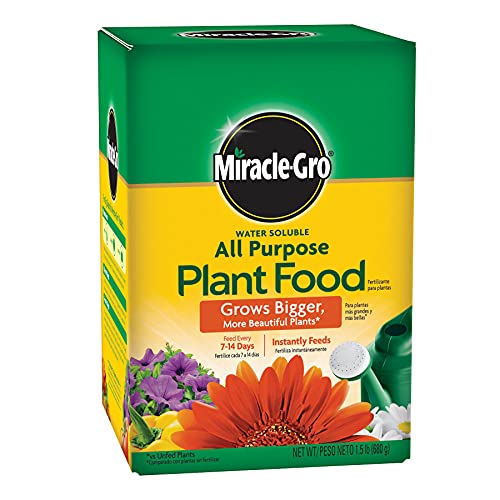
This Miracle-Gro product is a water-soluble all-purpose plant food designed for both indoor and outdoor use. It feeds a wide range of plants, including roses, flowers, vegetables, houseplants, trees, and shrubs, making it a versatile option for households with diverse gardening needs. The formulation is designed to work quickly, promoting rapid growth and noticeable improvements in plant vigor. The 24-8-16 NPK ratio provides a balanced approach with higher nitrogen for lush foliage while still supporting root and flower development.
Because it dissolves in water, this option integrates smoothly into routine watering. It’s well suited for gardeners who prefer scheduled feeding cycles, especially during active growth periods in spring and summer. For best results, dissolve the powder thoroughly in water according to the label, apply during watering, and monitor plants for any signs of stress. Regular, measured feedings can lead to brighter leaves, stronger stems, and improved overall health across a mixed collection of houseplants and garden specimens.
HiThrive Houseplant Fertilizer Review

HiThrive Houseplant Fertilizer is a concentrated, all-purpose formula tailored for indoor potted plants. The product uses a 6-2-4 NPK balance and is marketed as 2X concentrated, meaning you can mix smaller amounts to achieve larger volumes of nutrient solution. A pre-measured scoop makes dosing straightforward, helping users prepare the correct strength with consistency. One 16-ounce bottle can produce a large volume of feed—up to 85 gallons—making it a cost-efficient choice for households with several plants.
The formula targets healthy growth and vibrant foliage by delivering essential macro- and micronutrients. It is positioned as suitable for a broad range of indoor plants, including common favorites like pothos, ficus, and fiddle-leaf fig. The concentrate can be attractive for gardeners who want longer-lasting supply and greater control over feeding strength, allowing adjustments based on plant response and seasonal needs. Careful dosing will help promote greener leaves and richer overall color without excessive application.
Buying Guide
Types of fertilizers for house plants
Fertilizers come in liquids, water-soluble powders, and granular concentrates. Liquids and water-soluble formulas typically offer quick uptake and are easier to adjust with each watering. Granular and concentrated blends often provide longer-lasting nutrition and can be more cost-effective per gallon fed. Choose based on how often you want to feed, how quickly you want results, and how much control you need over dilution and application. For busy households, ready-to-use liquids or ready-to-dose concentrates may simplify routines.
Plant needs and formulation
Different plant types have distinct nutrient priorities. Foliage-focused plants often benefit from balanced or slightly higher nitrogen, supporting leaf growth and color. Flowering plants may require more phosphorus to encourage blooms, while succulents prefer lower overall feeding frequency. A broad, all-purpose fertilizer works well for mixed plant collections, but you may tailor feeding to plant type or growth stage. When in doubt, start with a moderate schedule and adjust based on visible plant response and growth rate.
NPK ratios and what they mean
NPK numbers indicate the relative amounts of nitrogen, phosphorus, and potassium. Higher nitrogen supports leafy growth, higher phosphorus supports root and bloom development, and potassium helps overall plant vigor. For indoor houseplants, common all-purpose blends include balanced or slightly nitrogen-lean formulas for lush foliage, while blooms-heavy mixes emphasize phosphorus and potassium. Not all products list the exact NPK on the label, but understanding the concept helps you match feeds to plant goals. If you see numbers like 24-8-16 or 6-2-4, note the emphasis on nitrogen or balanced nutrition.
Feeding frequency and scheduling
Feeding frequency varies by product and growing season. In general, many indoor feeders are used every one to four weeks during the active growing period (spring and summer) and reduced or paused in winter when growth slows. Ready-to-use products may call for applying at every watering or on a schedule of every two weeks, while concentrated formulas often require dilution per bottle instructions. Always follow the label and observe plant response; if leaves burn or tips brown, scale back feeding.
Organic versus synthetic
Organic fertilizers rely on natural ingredients and typically release nutrients slowly, improving soil health over time. They can be better for eco-conscious households and may benefit beneficial soil life. Synthetic fertilizers usually provide precise, immediate nutrition that can yield faster visible results. For indoors, both options can work well; however, organic blends may require longer to show effects, while synthetic blends may demand closer attention to avoid over-fertilization, especially with sensitive plants.
Safety, storage, and handling
- Always read and follow the product label directions for dilution and application.
- Feed in a well-ventilated area and avoid contact with eyes and skin; wash hands after use.
- Store fertilizers in a cool, dry place away from children and pets.
- If over-fertilization occurs, flush the soil with water to prevent root burn.
Cost and value considerations
Concentrated formulas tend to offer more gallons of nutrient solution per bottle and lower cost per feeding over time. Consider how many plants you care for and the frequency of feeding when evaluating value. For households with many plants, a product that yields a larger volume, such as a concentrate or a bottle designed to feed 50–85 gallons, can provide better long-term value than smaller, ready-to-use bottles. Balance upfront cost with predicted usage and plant needs to determine the best option.