Best Concrete Sealer for Pool Decks: Protect and Enhance Outdoor Surfaces
Pool decks endure constant exposure to sun, water, chemicals, and foot traffic. Selecting the right sealer or coating can extend the life of concrete, pavers, and stone while maintaining a safe, attractive surface. The options below emphasize penetrating sealers that guard against moisture, as well as durable surface coatings that improve color and slip resistance. Each product is selected for pool decks or adjacent areas, balancing protection with appearance and long-term maintenance.
The following quick-reference table highlights five top products chosen for pool deck applications, outlining their core benefits and best-use scenarios.
| Product | Brand | Finish / Type | Best For |
|---|---|---|---|
| McKinnon Concrete Sealer, Paver Sealer | McKinnon Materials | Water-based acrylic, semi-gloss wet look | Pool decks, concrete, brick, natural stone, stucco |
| Siloxa-Tek 8500 Ready to Use | Ghostshield | Penetrating silane/siloxane, breathable, water and salt repellent | Concrete, brick, masonry, pavers |
| Armor AR350 Low Gloss Wet Look Sealer | Foundation Armor | Solvent-based acrylic, low gloss wet look | Exterior concrete and pavers |
| DryWay Water-Repellent Concrete Sealer | RadonSeal | Penetrating silane & siloxane, natural finish | Pool decks, driveways, patios |
| Cool Decking Pool Deck Paint | Encore Coatings | Coating; semi-gloss to satin color finish | Pool decks; heat reduction, non-slip surface |
McKinnon Concrete Sealer For Pool Decks

McKinnon Materials offers an industrial-grade, water-based acrylic sealer designed for both outdoor and indoor use. It’s formulated to work on unsealed surfaces and on surfaces previously sealed with a water-based sealer, making it versatile for retrofit projects on pool decks. The formula is designed to resist peeling or cracking, providing a durable, semi-gloss wet look that enhances color without hiding the substrate’s natural variation. Effective across concrete, pavers, natural stone, brick, flagstone, and even stucco, this sealer is particularly suitable for pool areas where a balance of protection and aesthetic appeal is important.
Key points include its broad substrate compatibility, a focus on durability, and a user-friendly water-based formulation that minimizes strong odors during application. The semi-gloss finish adds a subtle, attractive sheen that helps highlight the texture of pool deck surfaces while offering protection against water ingress, staining, and weathering. The product’s emphasis on preventing peeling and cracking is especially valuable for concrete decks exposed to freeze-thaw cycles and constant moisture from pool use.
Siloxa-Tek 8500 Ready To Use Sealer
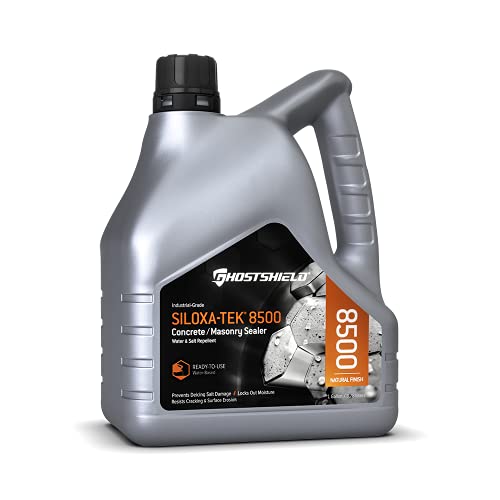
Siloxa-Tek 8500 is a water-based silane/siloxane penetrating sealer designed to reduce water and moisture intrusion while maintaining the concrete’s natural appearance. It is breathable, non-film forming, and DOT-approved, making it suitable for outdoor pool decks subject to chlorides and deicing salts. The formula resists surface damage from freeze-thaw cycles and is designed to prevent cracking, spalling, and pitting by forming a durable, deep-penetrating shield. With six times higher actives than many other water-based sealers, it offers long-lasting protection without changing the substrate color or texture, ideal for textured pool surfaces and paver installs.
Because it penetrates rather than coats, Siloxa-Tek 8500 preserves the natural look of concrete and stone while offering effective water resistance. This can be especially beneficial for pool surroundings where you want the surface to retain its original tone and character but stay resilient to rain, splashes, and chemical exposure. It’s also a practical choice for porous materials like brick and natural stone used around pool areas.
Armor AR350 Low Gloss Wet Look Sealer

Armor AR350 is a professional-grade, solvent-based, low-gloss wet look sealer designed for exterior concrete and pavers. It offers a dramatic color enhancement, darkening the surface to achieve a wet look that many pool decks favor. The formula is designed to be long-lasting and non-yellowing, maintaining its appearance over years of exposure to sun and water. It provides protection against abrasion, UV exposure, water absorption, and harsh weather conditions, making it well-suited for commercial and residential pool areas where a strong, lasting finish is desired.
The product supports sealing both unsealed surfaces and those previously sealed with a solvent-based acrylic sealer, offering flexibility for renovations. Its color-enhancing properties help revive aged or faded deck elements, contributing to a refreshed pool area while offering durable barrier protection against stains and surface wear.
DryWay Water-Repellent Concrete Sealer

DryWay is a penetrating silane/siloxane sealer designed to protect concrete, brick, blocks, and pavers by absorbing deep below the surface. This non-film-forming formula leaves a natural finish and does not create a slippery surface, an important consideration for pool decks. It does not peel or fade like some acrylic sealers and provides long-lasting protection—up to five years—against moisture and salt-related intrusion. DryWay is suitable for high-traffic areas and can help maintain curb appeal with minimal maintenance beyond reapplication when needed.
Because it penetrates rather than coats, DryWay preserves the texture and slip resistance of the underlying material. It is a practical option for pool decks constructed from concrete or pavers where a breathable, durable barrier is preferred over a glossy overlay. Routine reapplication depends on exposure and wear, but the penetrating approach often yields easier maintenance and better long-term performance in wet environments.
Cool Decking Pool Deck Paint

Cool Decking Pool Deck Paint is a complete pool deck coating system designed to repair, seal, and cool concrete surfaces. It’s used in high-profile settings like theme parks, resorts, and national landmarks, and is now available for residential use. The kit emphasizes heat reduction, claiming up to a 38% drop in surface temperature, which can significantly improve comfort around hot summer pools. It also focuses on safety with a non-slip surface and ADA-compliant characteristics when wet. The kit typically involves cleaning, prepping, and applying a color-coating system to achieve a durable, cooler, and safer pool deck finish.
This option is ideal when the surface is worn or deeply weathered and you want a visually striking, durable coating that also helps manage heat. It blends aesthetic improvements with functional benefits, offering a cohesive solution for pool areas that require both protection and a refreshed look. Application typically requires proper surface prep for best adhesion and long-term performance.
Buying Guide
Key purchase considerations
- Surface type and condition: New concrete, existing sealers, pavers, bricks, and natural stone each respond differently. Penetrating sealers work well on porous materials, while coatings are better for damaged or heavily worn surfaces.
- Finish and appearance: Wet-look sealers deepen color and add sheen; penetrating sealers preserve natural color and texture; coatings can offer a broader color range and a smoother appearance but may alter the texture.
- Protection goals: If you need moisture and salt resistance for pool environments, prioritize penetrating silane/siloxane or water-repellent formulas. If you want a color-enhancing finish, consider solvent-based or water-based sealers with a wet-look effect.
- Slip resistance: For pool decks, non-slip performance is essential. Some coatings emphasize non-slip textures; many penetrating sealers maintain natural surface grip, especially when used with textured finishes.
- Breathability vs film-forming: Breathable penetrants prevent moisture buildup beneath the surface, reducing peel risk. Film-forming acrylics provide visible protection but can peel if moisture becomes trapped.
- Durability and maintenance: Assess recoat intervals, resistance to UV, freeze-thaw cycles, and chemical exposure from pool cleaners. Long-lasting options often require less frequent maintenance but may demand more prep during application.
- VOC and safety: Consider low-VOC formulas for indoor use or areas with sensitive occupants. Ensure proper ventilation during application and cure time recommendations.
- Application method and cure time: Roll-on, spray, or brush applications have different requires for prep and drying. Cure times influence when you can safely re-enter the pool area.
- Coverage and cost: Realistic coverage per gallon depends on porosity and condition. Compare cost per square foot for each product and account for the number of coats needed.
Penetration vs. coating choices
- Penetrating sealers (like Siloxa-Tek 8500 and DryWay) protect from moisture while preserving natural aesthetics and texture. They are often easier to maintain long-term and reduce slip concerns when used on textured surfaces.
- Water-based sealers tend to have lower odor and faster cleanup than solvent-based options, making them friendlier for residential use. They typically require multiple coats for added protection on porous substrates.
- Solvent-based sealers (like Armor AR350) can deliver a richer color and longer-lasting wet-look finish but require proper ventilation during application and may have stronger fumes.
- Coatings (like Cool Decking Pool Deck Paint) provide full surface restoration and heat reduction benefits, but they require rigorous surface prep and periodic maintenance to maintain slip resistance and color integrity.
Practical guidance for pool decks
- Assess the deck’s substrate: concrete, pavers, or natural stone respond differently to products. For textured or decorative surfaces, a penetrating sealer combined with a non-slip finish is often ideal.
- Plan for weather and pool use: choose products with cure times that fit your schedule and plan coatings or sealers for dry spells to avoid wash-off or uneven curing.
- Test small areas: Before committing to full application, test the product on a discrete section to confirm appearance, drying time, and slip characteristics under your local conditions.
- Maintenance cycle: Establish a routine based on product type. Penetrating sealers may need reapplication every few years, while coatings might require re-coating sooner, depending on wear and chemical exposure.
- Safety and compliance: Ensure products used near pools comply with local safety regulations and do not create slippery surfaces when wet. Follow manufacturer guidelines for cleaning and storage.